
New Maritime Laws by the Government of India
Home - New Maritime Laws by the Government of India
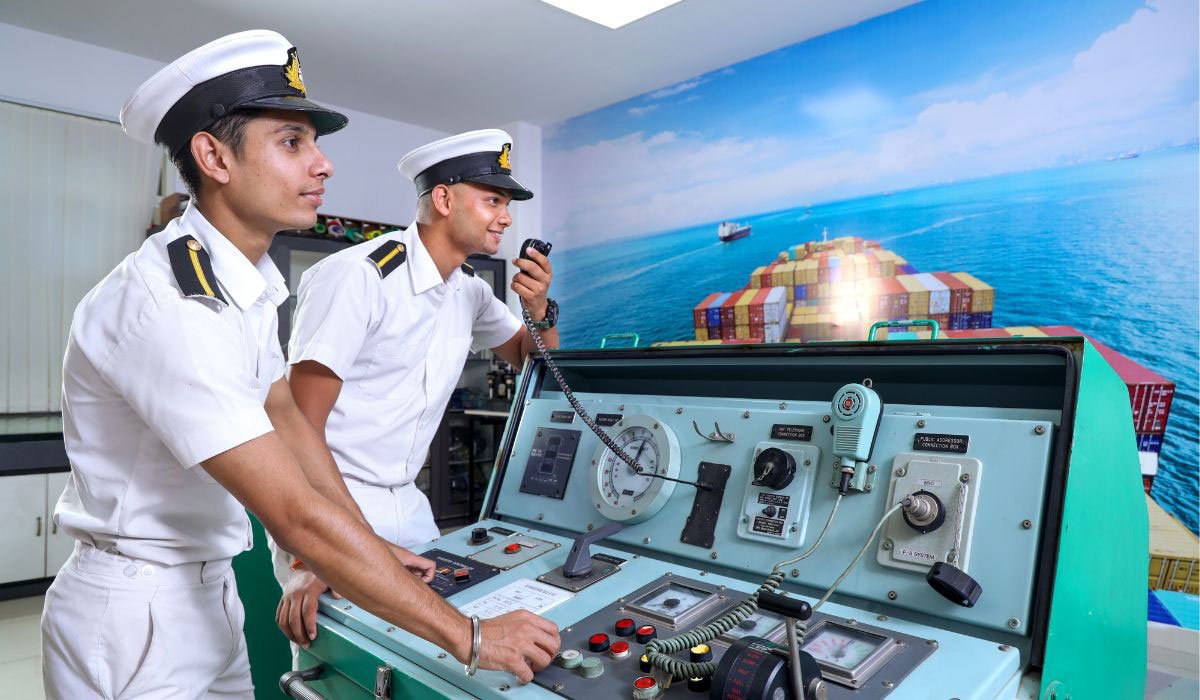
The maritime landscape in India is undergoing a revolutionary shift. In 2025, the Indian government passed a set of landmark laws — including the Merchant Shipping Act, 2025, the Indian Ports Act, 2025, and the Coastal Shipping Act, 2025 — that promise to reshape the future of the maritime sector and significantly benefit seafarers. These reforms are modern, forward-looking, and aligned with international standards, making India’s merchant navy more competitive and attractive to maritime talent.
1. Why These New Laws Were Needed
For decades, India’s maritime regulations operated under outdated legislation — the Merchant Shipping Act of 1958 and the Indian Ports Act of 1908. These older laws were not fully compatible with today’s fast-evolving maritime industry, especially with newer vessel types, digital processes, environmental norms, and global trade practices.
The 2025 reforms aim to:
- modernize India’s maritime legal framework,
- align with IMO (International Maritime Organization) conventions,
- improve safety, environmental protection, and welfare for seafarers, and
- boost ease of doing business in the shipping sector.
2. Key Highlights of the New Maritime Laws
a) Merchant Shipping Act, 2025
This is the cornerstone reform. The new Merchant Shipping Act replaces the 1958 law and brings in major changes
- Universal Vessel Registration: Almost all sea-going vessels now must be registered, including types previously left out (non-displacement crafts, submersibles, etc.). PRS Legislative Research
- Expanded Ownership Options: Indian-flagged vessels can now be owned by Indian citizens, companies, NRIs, OCIs, and cooperative societies. This opens up capital and investment opportunities.
- Digital Processes & Ease of Doing Business: The law supports electronic registration, remote registration, digital certificates, and more, reducing red tape.
- Stronger Safety & Environmental Norms: The Act incorporates key international maritime conventions like MARPOL, wreck removal, and salvage, which encourages safer shipping and environmental accountability.
- Enhanced Seafarer Welfare: There’s statutory alignment with the Maritime Labour Convention (MLC) — meaning better working and living conditions, medical support, pensions, and regulated recruitment.
- Modern Training & Certification: The Director-General (now called Director-General of Marine Administration) oversees maritime training institutes, approves courses, and sets certification standards.
- Accident Investigation & Liability: The Act strengthens powers to investigate marine casualties, address wreck removal, and apportion liability more transparently.
b) Indian Ports Act, 2025
This replaces the colonial-era Indian Ports Act of 1908 with a modern regulatory regime
- Integrated Port Development: The law promotes better coordination among states and central government for port infrastructure, navigation, safety, and disaster planning.
- Maritime State Development Council: A new body is created, chaired by the Union Minister for Ports, Shipping and Waterways, with state-level representation, to oversee strategic port development.
- Pollution and Safety Management: The Act mandates systems to manage port pollution, navigation risk, and disaster response in a more organized way.
- Data and Transparency: Emphasis on data collection and reporting to improve oversight and decision-making for ports.
c) Coastal Shipping Act, 2025
This act is designed to boost India’s coastal trade and make shipping along the coast more efficient
- Licensing System for Coastal Vessels: Non-Indian vessels must obtain licenses to operate in coastal waters, helping regulate foreign participation.
- National Strategic Plan: The Act mandates a “National Coastal & Inland Shipping Strategic Plan” to be published within two years, supporting coordinated growth.
- Security & Environmental Checks: License approvals will consider safety history, environmental compliance, and crew nationality – balancing security with growth.
- Digital Voyage Reporting: Requires mandatory digital reporting of vessel movements, cargo, and crew data to port authorities — improving real-time oversight and maritime domain awareness.
- Penalties for Non-compliance: Tough fines for unauthorized voyages; the Act enforces stricter penalties to ensure compliance.
d) Seafarer Certification & Welfare Rules (DGS Circular 31 of 2025)
Beyond the legislative acts, DG Shipping Circular No. 31/2025 makes a big impact on who gets to certify seafarers and how: Directorate General of Shipping
- Certificate of Competency (CoC) Restriction: Seafarers on foreign ships must hold CoCs either from India or from countries that have mutual recognition with India (as per STCW Regulation I/10). Directorate General of Shipping
- Approved Training Only: Seafarers must be trained in DG Shipping–approved institutes; foreign institute certificates are not accepted unless verified / recognized. Directorate General of Shipping
- Verification of Certificates: CoCs, CoPs, and course certificates need to be verified through the DG Shipping portal. Recruitment agencies must do this verification before hiring. Directorate General of Shipping
- Strict Penalties: If seafarers hold fraudulent or unrecognized certificates, their Continuous Discharge Certificate (CDC) can be suspended, their INDoS number blocked, and they may be debarred for at least 2 years. Directorate General of Shipping
3. How These Reforms Help Future Seafarers
Now, why do these laws matter especially for seafarers? Here are the major benefits:
Better Job Security & Certification Credibility:
With stricter regulation on CoCs and CoPs (via Circular 31), the value of genuine certification goes up. This protects seafarers from fraudulent certification practices and ensures only well-trained professionals sail.
Directorate General of Shipping:
Verified credentials mean easier hiring and recognition on international ships, especially from countries that mutually recognize certifications.
Improved Working Conditions
The inclusion of MLC-based welfare provisions in the new Merchant Shipping Act means seafarers will have better working hours, medical care, accommodation, and social security.
The maritime labour rules ensure that in case of emergencies (abandonment or death), seafarers (or their families) are taken care of. Directorate General of Shipping
Communication access on board ensures seafarers stay connected, improving mental wellbeing while at sea. Directorate General of Shipping
More Career Opportunities
Broader vessel registration and ownership norms mean more Indian-flagged vessels — which could lead to more Indian crew hiring.
The Coastal Shipping Act promotes domestic coastal trade. As Indian tonnage grows, so will demand for Indian seafarers in coastal operations.
The government’s push to modernize maritime infrastructure and training institutes could also lead to more training seats, higher quality education, and specialized courses.
4. Challenges & Considerations
While the reforms are largely positive, seafarers should also be aware of potential challenges:
- Stringent Certification Requirements: The new Circular 31 may restrict seafarers with CoCs from certain countries, which could limit some career paths.
- Compliance Costs: Training only in DG Shipping–approved institutes might raise training costs or limit flexibility in where one trains.
- Transition Period: Switching from old to new regulatory systems often has teething issues—there might be confusion or delays in implementation.
- Overregulation Risk: While stricter safety and environmental norms are good, they might increase operational costs, which could indirectly impact hiring or wages.
Conclusion: A Bright Horizon for Indian Seafarers
The 2025 maritime reforms mark a transformative moment for India’s merchant navy. By modernizing regulatory structures, aligning with international norms, and prioritizing seafarer welfare, the government is not just building better laws — it is building a more sustainable, attractive, and future-ready maritime ecosystem.
For aspiring and current Indian seafarers, these changes are a tremendous opportunity. They promise more recognition, security, and growth, while also reinforcing professionalism and global competitiveness. As these laws take full effect, the merchant navy can truly become a career of choice — not just for earning, but for long-term stability and global seafaring excellence.